
Key Takeaways
- The global crypto wallet market was valued at over $13 billion in 2024 and is projected to exceed $100 billion by 2033, driven partly by demand from exactly the underserved markets Sovra is targeting.
- Sovra is a Dubai-based fintech company, operating fully remotely across Lebanon, Dubai, and Barcelona.
- The company is building a self-custodial finance platform designed for the MENA region, giving users direct ownership of their funds through stablecoin-based infrastructure without relying on a bank or any custodial institution.
Overview
Sovra is a Dubai-based fintech company, operating fully remotely across Lebanon, Dubai, and Barcelona. The company is building a self-custodial finance platform for the MENA region, where users hold their own money directly rather than handing it over to a bank to manage on their behalf.
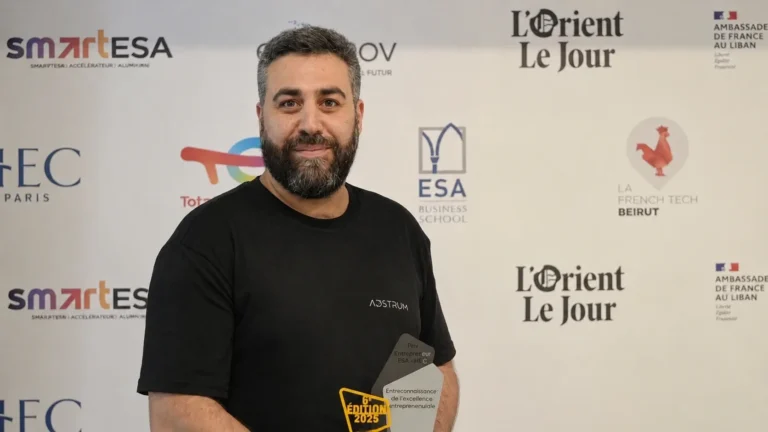
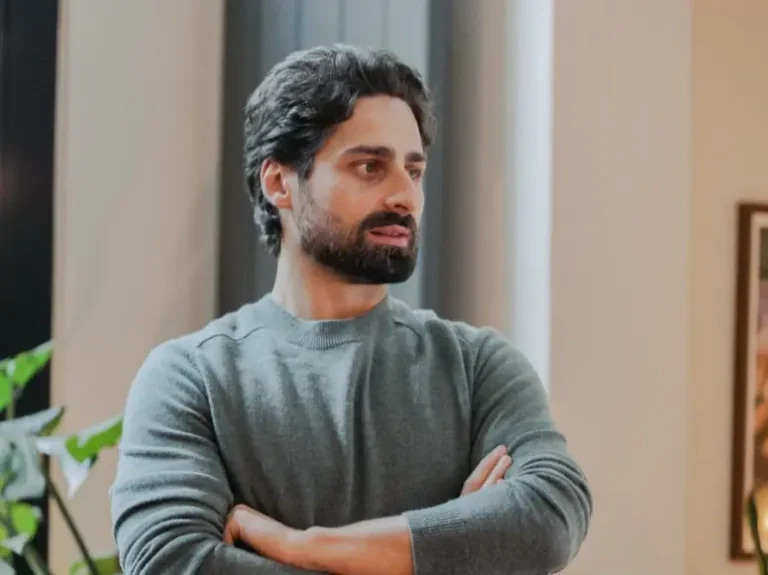
The company was founded by Ahmad Wehbi, who serves as CEO.
Background
Wehbi’s path to Sovra started with a very Lebanese experience. He had spent years as a management consultant at McKinsey, worked hard, saved money, and kept it in Lebanese banks. Then the banks collapsed. The accounts were frozen. The money was unreachable. And like hundreds of thousands of other depositors, he had no real recourse.
That experience cracked something open. He started asking a question that most people never have reason to ask: do you actually own the money in your bank account? Legally and technically, the answer is more complicated than most people realize. When you deposit money in a bank, the bank holds it. If the bank fails, your money is at risk. If the bank imposes restrictions, you cannot move it. If the government intervenes, you cannot access it.
Wehbi went looking for an alternative. He found blockchain, went deep into its infrastructure, and joined Composable Foundation, an organization that builds the technical layer allowing different blockchains to communicate with each other and support decentralized financial services. He spent years learning how it all worked from the inside before zooming back out and asking: who is this actually built for?
His answer brought him back to the region. Across MENA, around 400 million people are either unbanked or underbanked. Many have lived their entire financial lives in cash, outside of formal systems, not by choice but because those systems were never really designed to include them. Wehbi saw a technology that was global by nature, not gated the way traditional finance is, and decided to build something for that population.
Mission and Approach
Sovra’s core idea is self-custody. In plain terms, that means the money stays with the user, not with a company or a bank. Users hold their funds in stablecoins, which are digital currencies pegged to a stable value like the US dollar, so there is no volatility risk the way there would be with something like Bitcoin. Because the funds sit directly in the user’s digital wallet, no institution can freeze them, and no banking collapse can make them disappear.
The yield users can earn through Sovra comes from DeFi, short for decentralized finance. Think of it as a financial system that runs on code rather than banks. Through DeFi protocols, a user in Beirut can effectively lend money to a borrower somewhere else in the world and receive interest in return, all automatically, all without a bank in the middle taking a cut or asking for permission. Sovra makes that process feel like opening a savings account.
The broader goal is to package all of this inside an experience that does not require a computer science degree to navigate. Wehbi’s analogy is a car: you do not need to understand the engine to drive. Sovra is the car. The blockchain is the engine.
Product and Offering
The platform is currently in beta, with a public waitlist live at sovra.finance. At launch, Sovra will offer four things: the ability to send money internationally, deposit locally, pay using a debit card, and earn yield through a savings account. All from one app.
The protection is not a promise or a policy. It is structural. Because users hold stablecoins directly in a self-custodial wallet, if Sovra as a company were to shut down tomorrow, users could simply move their funds elsewhere. The money does not live on Sovra’s balance sheet. It lives in the user’s wallet.
Business Model
Sovra is not planning to generate revenue in its first year. The focus is on getting people to actually use it and trust it. Recurring and transactional revenue streams will follow once the user base is established and the product has earned its place in people’s daily financial routines.
Market and Reach
The numbers that frame Sovra’s market are hard to ignore. Only 48% of adults across MENA have access to a formal financial account. Beyond the region’s major financial hubs, roughly 85 million people belong to the global unbanked population. Globally, the crypto wallet market was valued at over $13 billion in 2024 and is projected to exceed $100 billion by 2033, with self-custodial models growing faster than custodial ones as users increasingly want control over their own assets.
Sovra is targeting MENA and North Africa, starting with the populations that have been most visibly failed by traditional finance and most likely to be open to something genuinely different.
Traction and Growth
The company is in beta, with public launch imminent. Its two metrics post-launch are retention rate and net balance increase. Together they answer the only question that matters at this stage: are people actually using Sovra to manage their money, or are they just signing up and walking away?
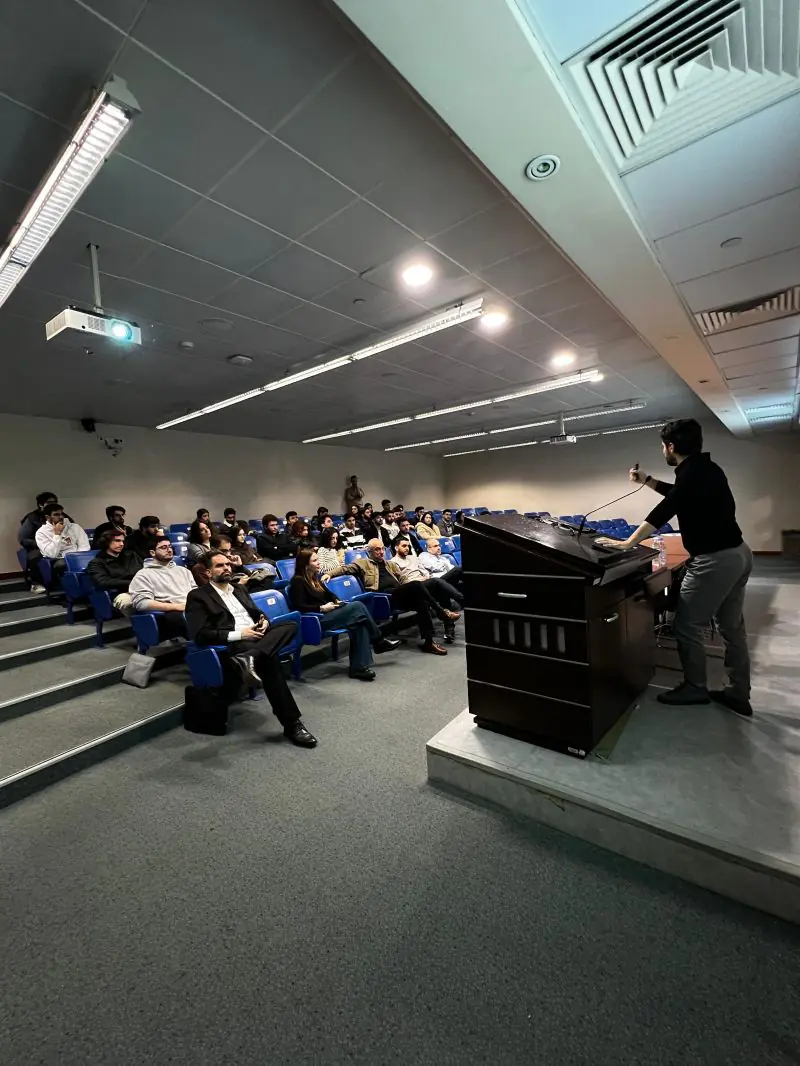
The strongest early signal has come from younger users, the demographic least attached to traditional banking and most comfortable engaging with new financial tools on their own terms. In a region where trust in financial institutions took a serious hit, that is not a small thing.
Misconception
Self-custodial finance sounds complicated and slightly futuristic, and a lot of people assume it is some kind of workaround or gimmick. It is not. The protection it offers is not written into a terms and conditions document. It is written into the technology. Nobody can access the funds except the person who holds the keys to the wallet. That is not a marketing claim. It is how the system is built.
Outlook
Over the next 6 to 12 months, Sovra wants to deliver a complete financial experience from day one that include sending internationally, depositing locally, paying with a debit card, earning yield on savings. The team has already been showing up at universities and municipalities across the region, not to sell the product but to explain the idea of owning your own money before the app even launches.
The hard part is not building the technology. The technology works. The hard part is rebuilding trust in financial tools for a population that has every reason to be skeptical. Sovra is starting from that reality, not pretending it does not exist.