
Key Takeaways
- Wave is not a bike rental service. The subscription model is designed to make riders feel ownership over their bike, which translates directly into longer vehicle lifespans and a different relationship with cycling as a commuting habit rather than a leisure activity.
- The company has built a financially clear path to profitability: reaching 510 bikes in its fleet removes the need for external capital. The current fundraising round of $300,000 is the last one planned.
- Wave’s real competition is not other cycling companies. It is the car, the taxi, and the cultural assumption that cycling in a city without dedicated lanes is not viable.
Overview
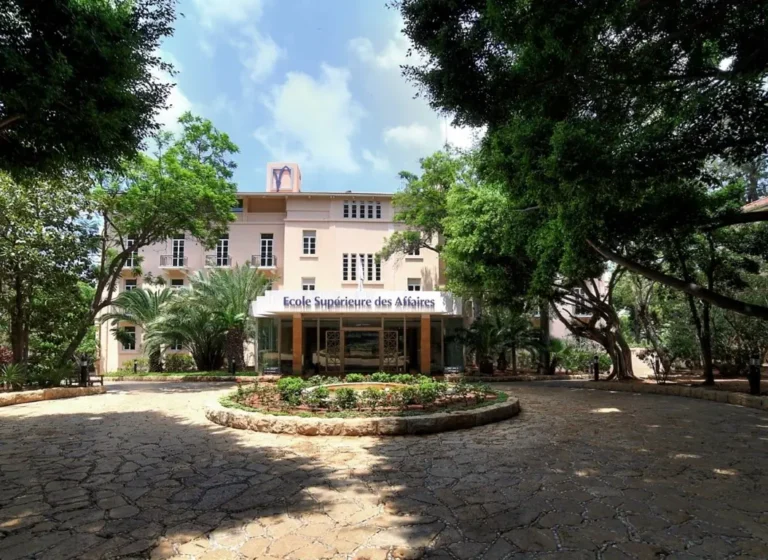
Wave is a Beirut-based e-mobility company founded in 2021 and headquartered in Geitaoui. The company offers monthly electric bicycle subscriptions to daily commuters in Lebanon, bundling each subscription with a custom-designed e-bike, helmet, theft insurance, and free maintenance. It was co-founded by Jan De Coo and Joyce Hamze, who serves as CEO. The team currently operates a fleet of 280 bikes, with a community hub and a mobile app rounding out the offering.
Background
Jan De Coo came to Lebanon from the Netherlands and found the absence of cycling baffling. Beirut’s traffic, the cost of fuel, and the near-total lack of public transport made the daily commute expensive, slow, and polluting. Back home, a bicycle was the obvious answer to exactly this kind of urban problem. Here, it barely existed as an option. He decided to build the infrastructure that would make it one.
Joyce Hamze joined later, bringing a background in entrepreneurship across two previous startups in e-commerce. She encountered Wave and recognized what it was trying to do as something she wanted to be part of. The problem Wave was addressing was real, structural, and underserved.
The numbers behind Lebanon’s commuting crisis support the premise. Traffic in dense urban areas accounts for nearly half of local pollution, residents lose significant daily time to congestion, and the country has no meaningful public transport alternative. Wave’s argument was that an electric bicycle on a monthly subscription could compete with the car on cost, time, and convenience, without requiring the city to change around it first.
Mission and Approach
The core tension Wave navigates is cultural as much as logistical. Cycling in Lebanon is widely associated with leisure, weekend rides, or the promenades of coastal towns. Joyce Hamze pushes back on this framing directly. A bicycle is a commuting vehicle in the same way a car or a motorcycle is. The absence of dedicated cycling lanes is frequently cited as the reason cycling cannot work in Beirut. Her response is that motorcycles do not need lanes either, and that waiting for infrastructure to appear before adopting the behavior is the wrong order of operations.
Wave’s approach is to make cycling safe, affordable, and low-friction enough that the behavior changes first. The bike is designed for Beirut specifically, with tires wide enough to handle broken road surfaces, narrow handlebars for navigating traffic, and a motor capable of managing the city’s inclines. The subscription model, which gives riders the same bike each month and includes full maintenance, is designed to build a sense of ownership that a per-trip rental never would.
Product and Offering
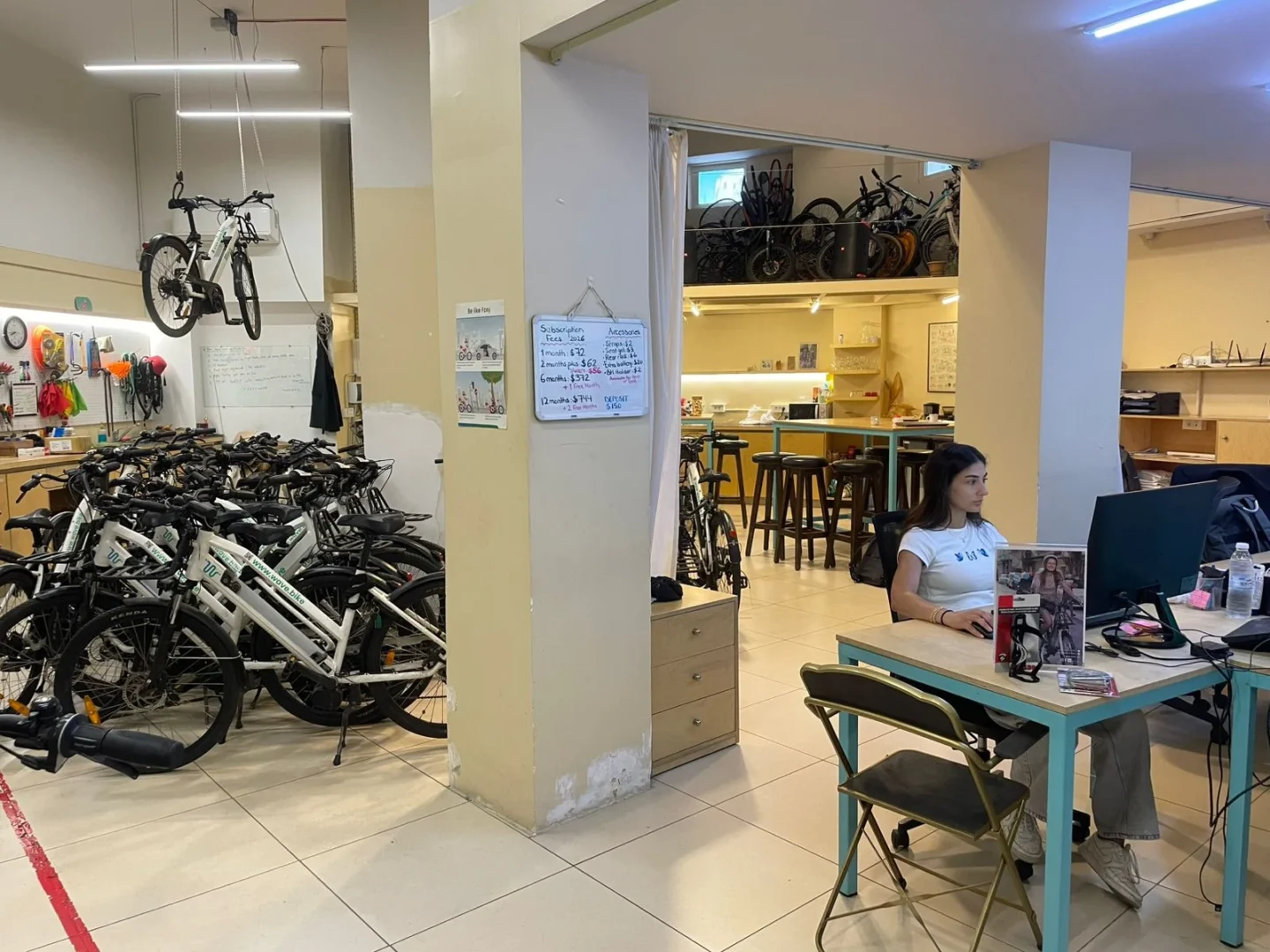
The Wave Bike is assembled in Lebanon using parts sourced from Taiwan. Each subscription includes the bike, a helmet, theft insurance, and maintenance. The maintenance standard is deliberate: brakes are brought to full functionality before any bike goes out, and the aluminum frame is chosen for durability. The average lifespan of a Wave bike exceeds five years, which the company attributes directly to the subscription model. When riders treat the bike as their own, it shows in how they handle it.
The Wave Hub in Geitaoui functions as a community workspace and event space for subscribers. It operates entirely on solar energy, and Wave has embedded sustainability throughout its operations, recycling materials including electronic components from lithium batteries through a partnership with a specialist recycler.
The Wave App handles booking, maintenance requests, drop-off and pickup coordination, and customer service. The company plans to develop the app into a community-driven guide to cycling routes and road conditions across Lebanon, extending its usefulness beyond logistics into active safety support for riders.
Business Model
Wave operates on a monthly subscription model serving individual commuters, organizations, and combinations of the two. Notable B2B clients include the Danish and Dutch embassies in Lebanon. Revenue is recurring and tied directly to fleet size, which is why expanding the fleet is the company’s primary strategic priority.
Funding and Support
Wave has raised $300,000 to date across grants and a pre-seed round, used primarily to grow the fleet from 10 bikes at launch to the current 280. The company is now in a new raise targeting an additional $300,000 to add 230 bikes. Of that target, $200,000 was secured before the war. The remaining $100,000 needs to close by September to allow enough lead time for the order ahead of 2027. The investor base to date is composed entirely of cycling enthusiasts and impact-oriented investors motivated by quality-of-life outcomes in the city. Wave is currently breaking even and expects to reach profitability at 510 bikes, at which point it anticipates no further need for external capital.
Traction and Growth
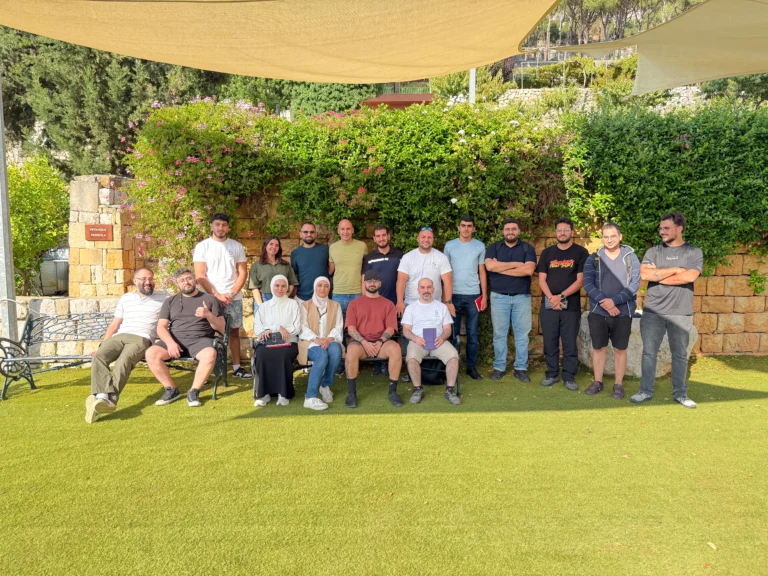
Wave’s subscriber community reached 300 members, which the founders describe as the clearest market validation the company has received. Year-on-year user growth is running at 40%, and demand has been strong enough that the company has had to operate a waiting list. The metrics the team tracks include subscriber count, growth rate, B2B partnerships, and total mileage across the fleet, the last of which functions as a proxy for the environmental contribution of the service.
One behavioral signal the team points to: subscribers frequently ask to keep the same bike when renewing, and many send it in for maintenance unprompted. That attachment does not happen in per-trip rental models, and Wave sees it as a meaningful indicator that the subscription format is working as intended.
Misconception
Wave is regularly described as a bicycle shop or a leisure rental service. The founders reject both. The company is building commuting infrastructure. The bike lane question comes up often as an assumed prerequisite, and Hamze’s answer is consistent: the lane is not the condition. The behavior and the safety measures come first, and infrastructure tends to follow. She notes that attitudes among municipalities are shifting, with some now actively working on cycling lanes, but Wave is not waiting on that before moving forward.
Outlook
The next six to twelve months are focused on closing the current fundraising round and placing the fleet order in time for a 2027 expansion. Beyond Lebanon, Wave has identified Istanbul as its first regional market. The city has per-trip bike rentals but no subscription-based e-bike service, which positions Wave’s model as a direct differentiator. Domestically, the company plans to open additional hubs in Jounieh, Jbeil, and the Bekaa Valley, extending the subscription’s geographic reach beyond Beirut.