
Key Takeaways
- Rural Entrepreneurs builds entrepreneurship infrastructure in underserved and vulnerable communities.
- It has trained over 10,000 individuals and developed physical innovation spaces across Lebanon.
- The organization is shifting toward supporting SMEs and scaling its long-term impact.
Overview
Rural Entrepreneurs is a business support organization founded in 2015 and based in Chouf, Lebanon. It operates across multiple locations, including Choueifat and Hasbaya, with a focus on supporting entrepreneurs in underserved and vulnerable communities.
Led by its founder and executive director, Haitham Saab, the organization has grown into a structured platform offering training programs, co-working spaces, and access to entrepreneurial resources. Today, Rural Entrepreneurs positions itself as part of the infrastructure that supports early-stage entrepreneurs outside traditional urban centers.

Background
Entrepreneurship support in Lebanon has historically been concentrated in major cities, notably Beirut. Initiatives linked to programs such as Circular 331 created momentum in the startup ecosystem, but much of this activity remained urban-centered.
At the same time, rural and underserved communities often lacked access to training, mentorship, and investment networks. This created a gap between national ecosystem growth and local participation.
Globally, small and medium enterprises (SMEs) account for over 90% of businesses and more than 50% of employment, according to the World Bank. Expanding access to entrepreneurship in underserved areas is often seen as a pathway to broader economic inclusion.
Rural Entrepreneurs was created within this context, focusing on building local capacity rather than importing external solutions.
Mission
Rural Entrepreneurs focuses on building the foundations required for entrepreneurship to emerge in underserved areas.
This includes developing skills, providing access to infrastructure, and connecting individuals to broader networks. The organization works with youth at early stages while also supporting entrepreneurs as they move toward more structured ventures.
Its approach centers on enabling participation rather than selecting a small number of high-growth startups.
Product and Offering
The organization offers in-house entrepreneurship programs designed to support individuals from ideation to early-stage development.
One of its core initiatives is the Generation of Innovation Leaders (GIL) program, supported by international partners, which focuses on digital skills and preparation for early funding stages.
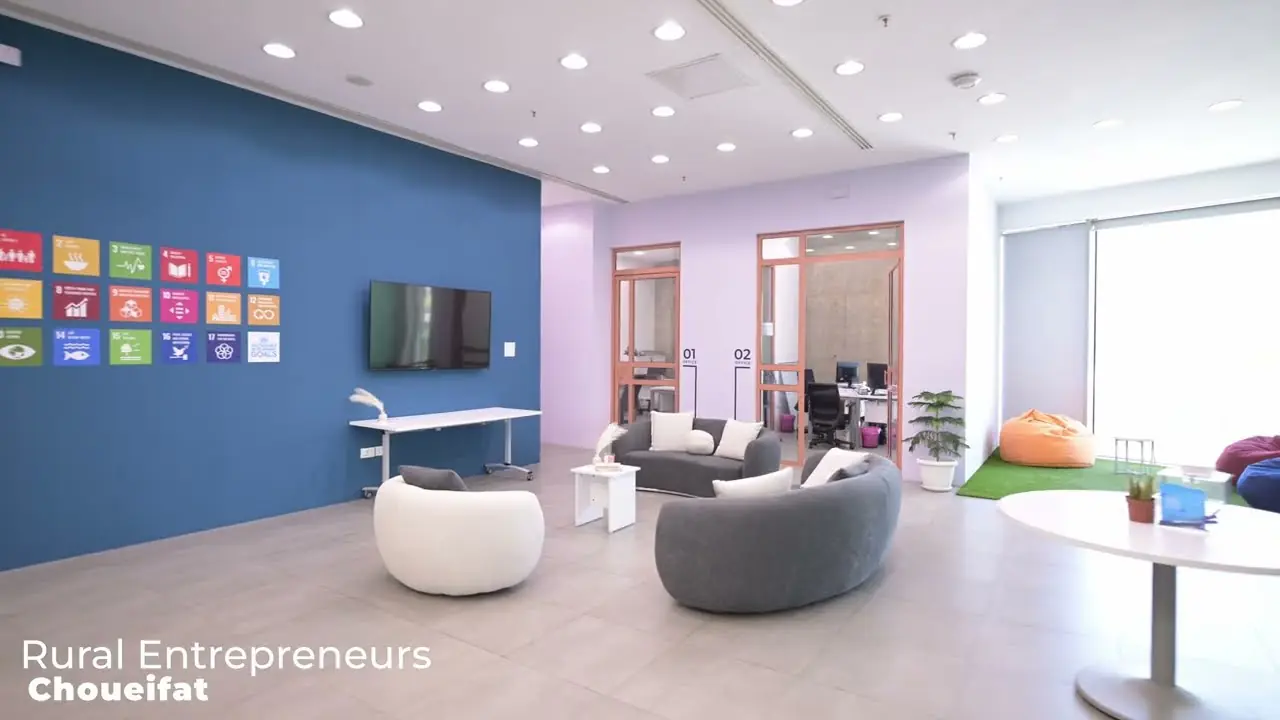
In addition to programs, Rural Entrepreneurs operates co-working and innovation spaces, providing access to electricity, internet, and work environments that are often limited in certain areas.
All current programs are active.
Business Model
Rural Entrepreneurs operates through a mixed revenue model.
Income is generated through co-working facilities, program enrollment, and project-based partnerships with international organizations such as UNICEF, UNDP, and USAID.
The model combines recurring revenue from facilities with project-based funding tied to specific programs and grants.
Its primary users include startups, entrepreneurs, and organizations seeking access to infrastructure and training environments.
Market Focus
Rural Entrepreneurs operates in the business support organization (BSO) sector, with a focus on local impact.
Its work is currently concentrated in Lebanon, though there are plans to expand to markets such as Saudi Arabia.
The organization’s focus extends beyond strictly rural areas. It also targets vulnerable communities in urban settings, reflecting a broader definition of inclusion.
As entrepreneurship continues to be positioned as a driver of economic resilience, organizations that build local capacity play a key role in connecting communities to larger economic systems.
Current Stage and Traction
Rural Entrepreneurs describes itself as a well-established organization in a growth phase.
Its main indicators of progress include:
- Number of beneficiaries trained
- Partnerships and memorandums of understanding
- Program delivery and grant activity
To date, the organization has trained more than 10,000 individuals and developed over 1,000 square meters of innovation space.
One of its defining milestones has been its ability to operate through periods of national instability, including economic collapse and major crises, while maintaining program delivery.
Outlook
Looking ahead, Rural Entrepreneurs plans to refocus part of its strategy toward SMEs, placing greater emphasis on supporting existing businesses alongside early-stage startups.
It also aims to expand funding for business support programs, including coaching in financial planning and growth strategies.
At the same time, aligning stakeholders across communities, municipalities, and economic actors remains an ongoing challenge.
As Lebanon’s economic landscape continues to evolve, the organization’s role will depend on how effectively it translates training and infrastructure into sustainable business outcomes.
Al-Muwaten will continue tracking this shift.