
Lebanon’s startup ecosystem has a funding problem that predates the financial crisis but was made dramatically worse by it. In 2023, only 12 Lebanese startups raised a combined $1.1 million. No more than 5 percent of the capital that flowed into the ecosystem between 2014 and 2021 has been raised since. Founders have been building without funding, and the investors who could change that have largely been sitting on the sidelines, either skeptical, disconnected, or simply unaware of where to put their capital.
On May 11, 2026, a public webinar brought together Lebanon’s Minister of Technology and Artificial Intelligence, a founding partner of one of MENA’s most active venture firms, and a coalition of ecosystem institutions to announce a direct response to that problem: the Lebanese Angel Investor Network, known as LAIN.
What Is LAIN
LAIN is Lebanon’s first curated angel investment network. Its purpose is to mobilize capital from the Lebanese diaspora and connect it to exceptional founders with strong ties to Lebanon, whether by origin, operations, or global footprint. The initiative is launched by the Ministry of Technology and Artificial Intelligence and operated by BY Venture Partners, with an advisory board comprising seven members from Endeavor, LebNet, TSA, AUB iPark, Razor Capital, IM FNDNG, and BDD.

The network is designed to be lean, transparent, and scalable. Each angel ticket is priced at $25,000, a number designed to attract serious investors rather than symbolic ones. LAIN plans to deploy an average check of $150,000 into 35 to 40 seed-stage technology companies, building a portfolio of founders connected to Lebanon wherever they choose to build. The network has already secured $5 million in soft commitments, which Kamal Shehadi, Lebanon’s Minister of Technology and Artificial Intelligence, described as a strong signal to the market.
Who Is Behind It
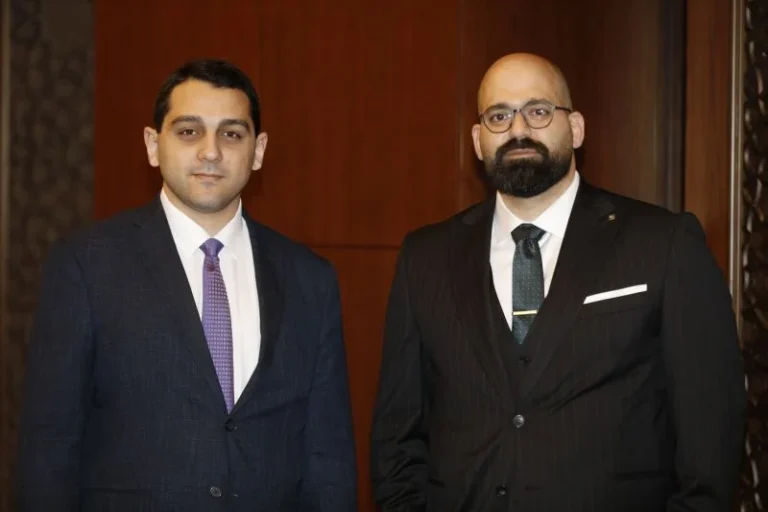
BY Venture Partners is operating LAIN. The firm was founded by brothers Ghaith and Abdallah Yafi and has built one of the most active early-stage venture portfolios in the MENA region and beyond. With over $200 million in assets under management, more than 100 investments across 3 funds, 5 unicorns, and 30 category leaders, BY brings a track record that goes well beyond the region. Companies like Toters, NymCard, Huspy, Invisible, and Onfido have BY on their cap tables. The firm’s founder NPS score of 87 reflects a reputation built on operational involvement, not just capital deployment. Sixty percent of BY’s deal flow comes directly from its founder network, which gives LAIN a structural advantage in sourcing quality deal flow from day one.
Ghaith Yafi announced BY’s commitment to LAIN’s mission during the webinar, framing it within a deeper conviction: Lebanese founders, when given the right conditions, compete internationally and win. The evidence he pointed to was concrete. More than $60 billion in company valuation has been created by eight Lebanese founders operating outside Lebanon. The potential was never the question. The infrastructure was.
How Decisions Get Made
LAIN’s investment committee has five members. Three come from the LAIN investment team. The remaining two seats belong to the angel community: one is a collective vote representing all angels, and one is a rotating angel seat. Decisions require a simple majority, with at least one angel vote needed for approval. The structure ensures that the people putting in capital have a real seat at the table, not a ceremonial one.
Deal flow will be sourced through BY’s existing portfolio network, strategic partners, and a curated scout network of leading Lebanese founders and global tech operators. The sector focus is agnostic, meaning any technology-led company is eligible regardless of industry.
The Problem It Is Trying to Solve
Angel investment in Lebanon did not collapse because of a shortage of high-net-worth individuals. It collapsed because of a shortage of confidence, structure, and access. The financial crisis of 2019 wiped out institutional trust at every level. VC activity contracted sharply. Accelerators lost funding. Early-stage capital dried up precisely at the moment when founders needed it most.
What remained was a diaspora of 14 million Lebanese spread across the world, many of whom had built successful careers and businesses internationally and had both the capital and the motivation to invest back home. What was missing was a credible, transparent, and professionally managed vehicle through which to do it. In 2024, only $500,000 was raised in Lebanon in total. Founders have been building without funding, and that is not a sustainable condition for any ecosystem.
LAIN is designed to be that vehicle.
The Broader Context
LAIN did not emerge in a vacuum. It is the product of a deliberate policy direction from the Ministry of Technology and Artificial Intelligence, which Kamal Shehadi took on with a specific conviction: the future of Lebanon is digital. His vision extends beyond government efficiency and beyond removing bureaucratic friction. The goal is a digital nation where the companies of the future are built in Lebanon and serve the world.
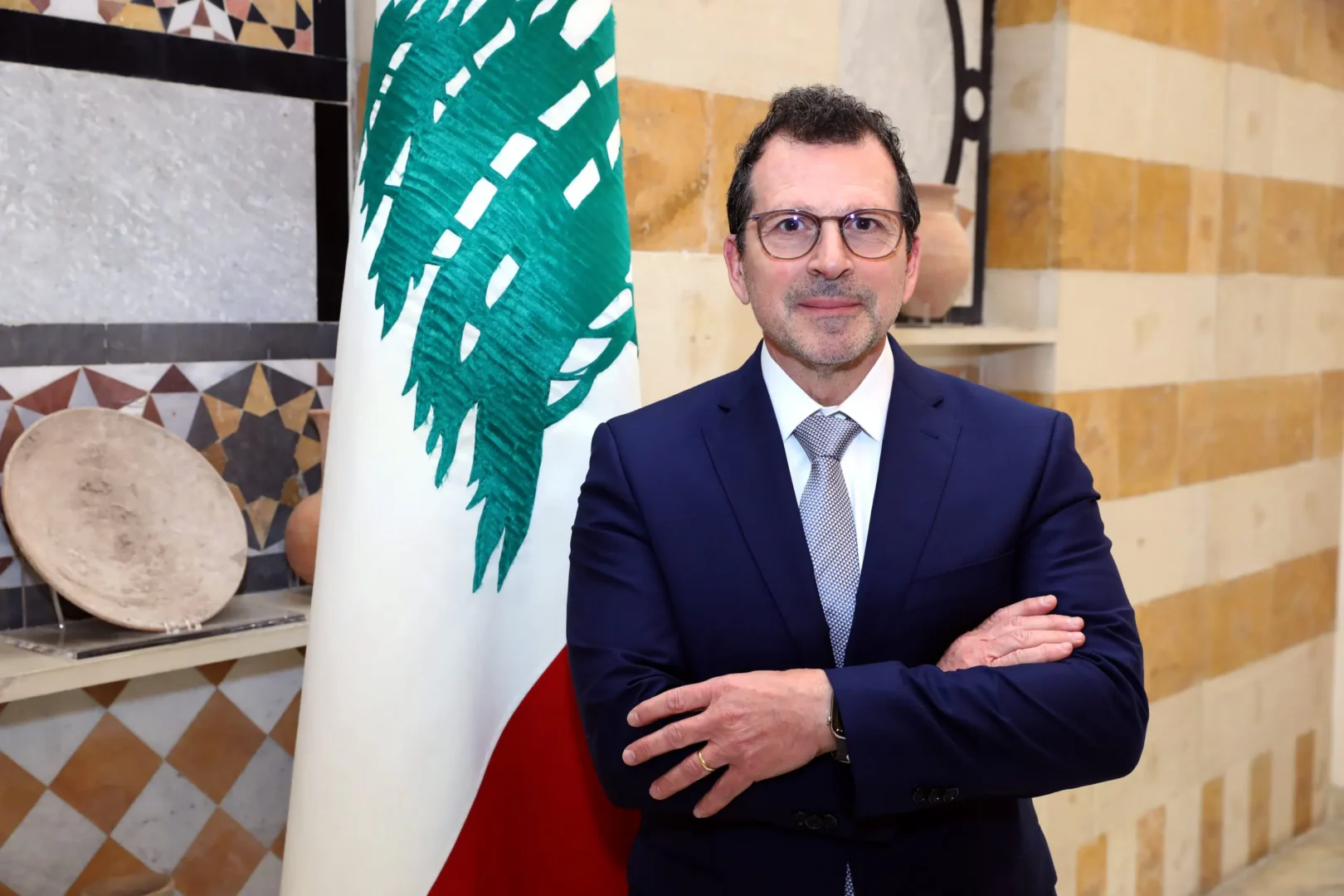
That vision is already being operationalized. The ministry has drafted 15 digital projects in partnership with other ministries and private sector actors. It also launched NUMŪ, a national digital skills training program open to Lebanese of any age, focused not on technology adoption but on technology creation.
LAIN sits at the intersection of that policy agenda and a private sector that is ready to move.
What the Launch Said Out Loud
Kamal Shehadi was direct during the webinar. His message to founders was simple: “take the risk and come pitch”. His message to angels was equally unambiguous: “this will be run transparently, it is a business, and profit is the goal. Real governance, real deal flow, real returns”.
One third of the portfolio will be directed toward investments that create tangible value in Lebanon specifically, jobs, offices, economic activity, and local opportunity. The remaining capital will follow the best deal flow available, with the angel community involved in every investment decision.
The launch was originally delayed due to the war. It went ahead regardless. That decision alone communicated something about the conviction behind the initiative.
What Comes Next
The immediate priority is converting soft commitments into closed capital and activating the scout network to build a quality pipeline of founders. For founders, the message from the launch was clear: the capital is being organized, the infrastructure is being built, and the people behind it have done this before at scale.
For the diaspora investors the network is courting, the argument is equally direct. Lebanese founders have already proven they can build companies worth billions. The question is whether that value creation happens inside Lebanon or in spite of it.
LAIN is a bet that it can happen here.