
Key Takeaways
- Areeka Care matches Arabic-speaking clients with culturally fluent therapists, operating across borders for a diaspora that has historically had nowhere to turn.
- The platform has 70 certified therapists and over 10 counselors, with clients matched based on the specific reason they are seeking help.
- Among Lebanese adults aged 20 to 35, Kalife sees the stigma around therapy actively dissolving, and Areeka Care is positioning itself to meet that shift at scale.
Overview
Areeka Care is a Lebanese healthtech platform founded in 2021 and headquartered in Jounieh, with operations in Bsalim. The platform went live in 2024 and connects Arabic-speaking clients with culturally matched, certified therapists through an anonymous digital experience. Its name comes from the Arabic word for the popular couch or divan used in conventional therapy sessions.
The company was founded by Teddy Kalife, who serves as CEO. Ghinwa Chaccour, a renowned therapist and member of the EFTA (European Family Therapy Association), serves as head therapist and is an equity partner.
Background
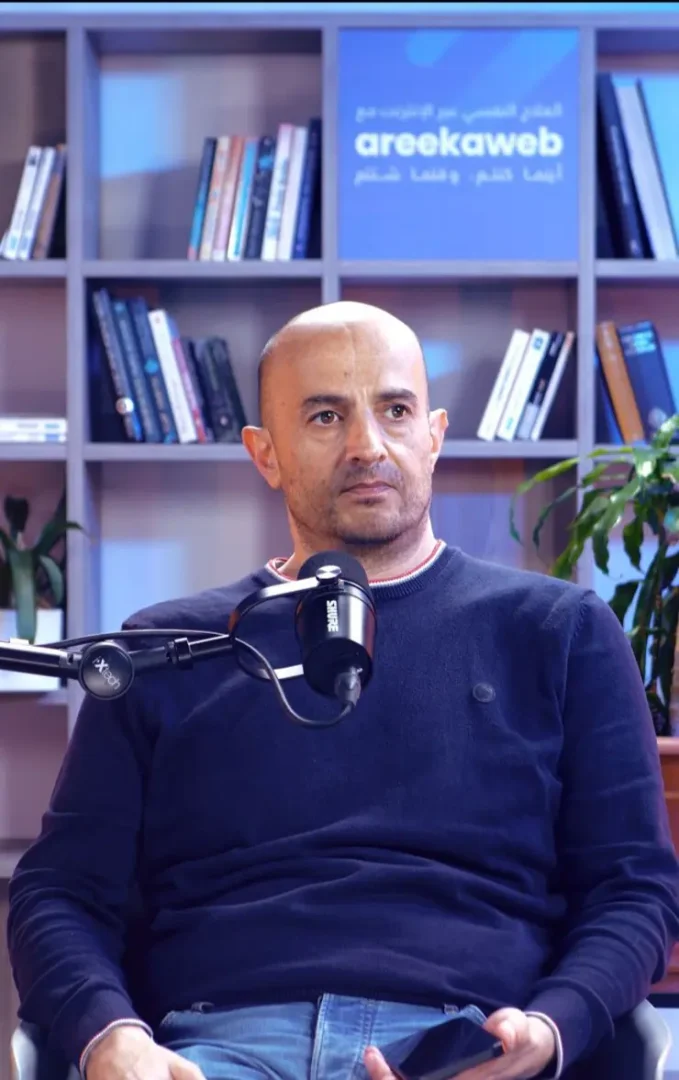
Kalife spent a decade as an expat in Africa and time in Australia before building Areeka Care. In both contexts he sought therapy and in both cases he found the same shortfall: practitioners who were qualified but culturally disconnected from his experience. The problem was not competence. It was context. He was willing to pay for the right help and could not find it.
He came from a background in sales, not healthcare. But he describes sales and therapy as closer than they appear. Both require listening, really listening, and understanding what someone is not saying as much as what they are. That instinct shaped how he built the product.
Areeka Care’s model draws inspiration from what BetterHelp built for English-speaking markets, adapted for a population that has been largely left out of the digital mental health conversation: Arabic speakers, and Lebanese expats in particular.
Mission and Approach
Areeka Care’s operating premise is cultural fluency. A therapist who does not understand the weight of family obligation in Lebanese society, the psychological toll of repeated displacement, or the specific shame structures around mental health in the Arab world is only partially useful to a client navigating those realities.
The platform matches clients with therapists based on the specific reason they are seeking help, not just availability or geography. Anonymity is built into the experience by design. In communities where seeking therapy still carries stigma, particularly among those over 35, removing the social visibility of the act is as important as the therapy itself.
The global digital mental health market was valued at over $5 billion in 2023 and is projected to grow significantly through the decade. Within that market, Arabic-language mental health infrastructure remains thin relative to the size and need of the population it could serve. Areeka Care is operating in that gap.
Product and Offering
The platform is live under the name Areeka Care. It currently hosts 70 certified therapists and more than 10 counselors. Counseling is framed as a shorter engagement of 10 to 12 sessions, suited to minor pathologies and situational stress. Therapy is a deeper, ongoing relationship for clients with more complex needs.
Clients are matched based on their presenting concerns. The experience is designed to be anonymous, accessible, and free of the friction that has historically kept Arabic-speaking users from engaging with mental health services at all.
Business Model
Areeka Care operates on a commission model. The platform takes a percentage cut of each session payment, matching clients with therapists and facilitating the transaction. Kalife describes it as Uberization applied to mental healthcare.
The model is currently B2C, with corporate clients identified as the next phase of expansion. Adapting the platform for institutional clients is a primary focus for the coming year.
Market and Reach
Areeka Care targets Arabic speakers globally, with Lebanese expats as its primary audience. The company takes a country-by-country approach rather than treating the Arabic-speaking world as a single homogeneous market, recognizing that a Saudi client, a Syrian expat in Germany, and a Lebanese professional in Dubai have distinct cultural contexts even within a shared language.
The platform self-identifies as a leader in organic traffic within its category. In the two months prior to publication, it registered 2,200 new users and was receiving between 200 and 400 unique daily visitors, alongside 50 to 400 daily inquiries through Kommo.
Funding and Support
Areeka Care has raised external funding, with the amount undisclosed. The round combined seed investment and contributions from three angel investors on an equal split. Ghinwa Chaccour’s participation as both head therapist and equity partner adds clinical credibility to the cap table alongside commercial backing.
Traction and Growth
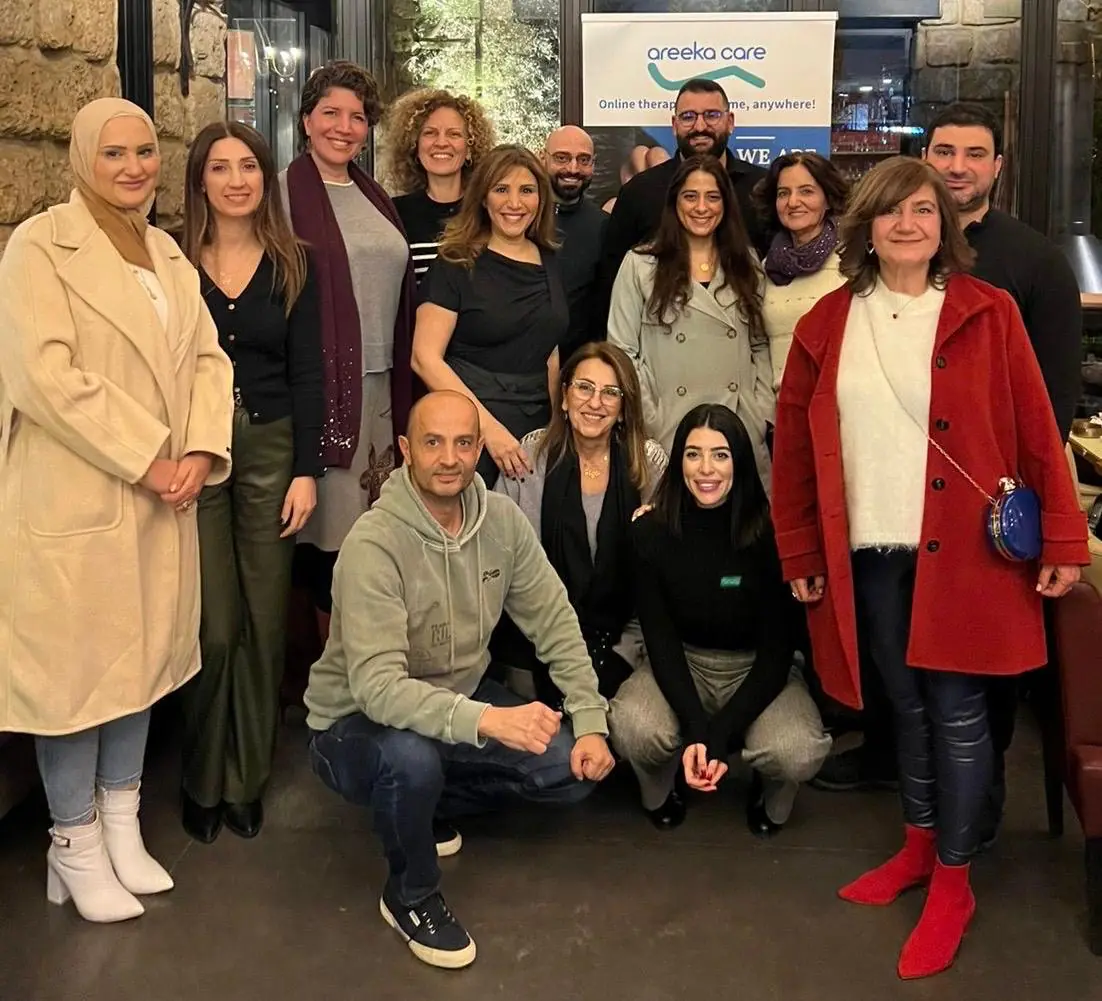
The company is in a growth phase. To date it has completed over 10,000 sessions with 360 paid clients and maintains a 64% renewal rate.
The most telling operational metric is client acquisition cost. It has come down from $500 to $80, with a target of $10. That trajectory reflects the strength of organic brand recognition.
Kalife’s participation in VivaTech in Paris stands as his most significant external milestone, providing international validation for a platform built to serve a population that most Western digital health companies have not meaningfully addressed. Securing angel investment was the second confirmation that the market gap was real and the model credible.
Outlook
The next 6 to 12 months are focused on two things: expanding the therapist base to absorb anticipated demand, and closing the platform’s first corporate clients. Areeka Care is adapting its core offering for institutional use, targeting corporations as a new revenue stream that could significantly change the scale of its operations.
Among Lebanese adults aged 20 to 35, the stigma around therapy is visibly eroding. Kalife describes it as an awakening. Areeka Care is building the infrastructure to meet it.