
Key Takeaways
- Harfan Harfan is a community platform for Arabic music, not a streaming service. Listeners engage with lyrics, annotations, artist explanations, forums, and events rather than full song playback.
- The platform has attracted major Arabic underground labels and artists organically, with record labels approaching Hala rather than being chased down.
- Bootstrapped by choice, Harfan Harfan is protecting its independence and its relationship with artists by keeping institutional investors out of a space where creative authenticity is the entire product.
Overview
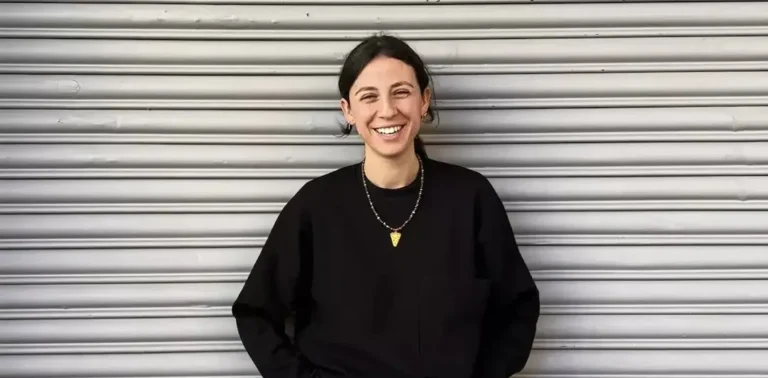
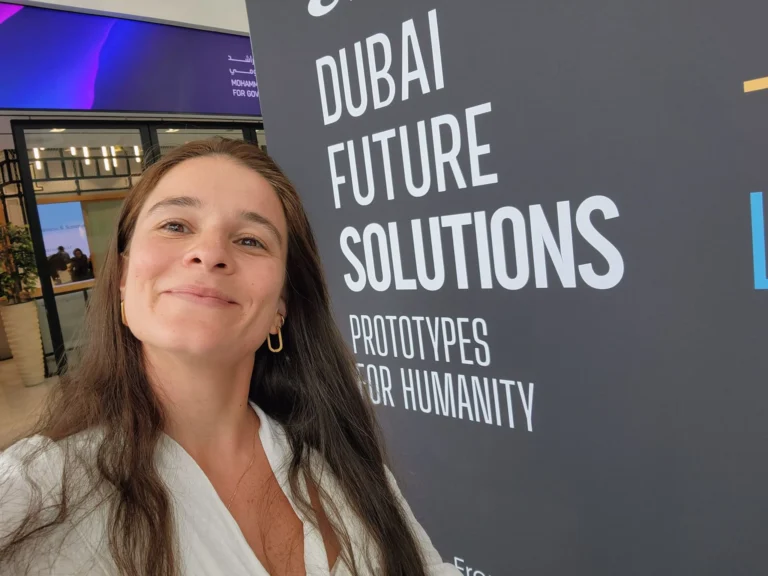
Harfan Harfan is a Lebanese music technology company founded in 2023 and headquartered in Beirut. The platform connects Arabic music artists, lyrics, and listeners through a community-driven experience that covers annotations, artist profiles, record label pages, event listings, podcasts, and video content. It was founded by Hala Keyrouz, who serves as CEO.
Background
Hala Keyrouz got into Arabic music and ran into a wall that anyone who has tried to find Arabic song lyrics online will recognize immediately. They were not there. And when they were, nobody was explaining what they meant. The cultural references, the dialectal nuances, the personal weight behind certain words, all of it sat unaddressed, leaving listeners on the outside of music that was made for them.
The second problem was broader. Western music and its platforms dominate the digital landscape in the Arab world. Arabic underground artists, the ones making genuinely original work rooted in the region’s lived experience, were being algorithmically buried under content optimized for a different audience entirely. Hala had spent years in marketing at Uber, where she learned how communities are built, how attention moves, and how platforms shape behavior. She looked at the Arabic music scene and saw both a gap and a responsibility.
Harfan Harfan was not conceived as a startup. It was conceived as a movement, one that would create a proper home for Arabic music culture online and give both artists and listeners the tools to find each other.
Mission and Approach
The platform is built on a simple but consequential idea: music means more when you understand it. Harfan Harfan gives listeners the context they need to go deeper into Arabic songs, and gives artists a direct channel to explain their work in their own words. The community does the rest.
Users submit and annotate lyrics, discuss their interpretations in forums, and build playlists around moods and movements in Arabic music. The more they contribute, the more points they accumulate, which translate into real rewards: meet-the-artist experiences and event tickets. This gamified contribution model keeps the platform alive and growing without requiring a content team to produce everything centrally.
The Arabic music streaming market is still dominated by global platforms that were not designed with the Arabic underground in mind. Documentation of the scene is thin. Many releases leave no searchable trace online. Harfan Harfan treats that as both a cultural failure worth correcting and a commercial opportunity worth building around.
Product and Offering
The platform is live and bilingual, available in Arabic and English, reflecting its dual audience of local listeners and diaspora communities across the globe.
Its core offering is the lyrics and annotation experience, where users contribute to a growing database of Arabic songs, add context, debate interpretations, and engage with fellow listeners. Alongside this sits the Lyrics Explained series, a video and podcast format where artists break down their own songs directly, turning what would otherwise be passive listening into something closer to a conversation between creator and audience.
Artist profiles and record label pages give the platform a structural depth beyond individual songs. Raad Records, whose roster includes Wegz, was the first label to launch a dedicated page. Scarab Records, home to Zeyne, and HiGHWAV Records have since followed. Middle Beast is also in the pipeline.
Event listings, curated playlists, and community forums round out the platform, making Harfan Harfan a place people return to rather than visit once. A merch marketplace is in development, which will allow artists to sell directly to fans without intermediaries, adding a transactional layer to what is currently a community and content-driven model.
Business Model
Harfan Harfan has identified two primary revenue streams. Sponsorship is the more immediately developed channel, with companies able to sponsor the Lyrics Explained video series by associating their brand with specific artists and their audiences. The merch marketplace, once live, will generate transactional revenue through commissions on direct artist-to-fan sales.
The platform is bootstrapped by choice. Hala made the deliberate decision to keep institutional investors out, protecting the platform’s independence and its relationship with the artists who trusted it early. That decision has shaped the culture of the company and the quality of the partnerships it has built.
Market and Reach
Harfan Harfan serves the MENA region as its primary market, with growing reach into diaspora communities in Europe, North America, and beyond. Arabic-speaking listeners outside the region are a core part of the audience the platform is designed for, people who grew up with this music and are looking for a place that treats it with the seriousness it deserves.
The global music streaming and discovery market is enormous, but the niche Harfan Harfan occupies, Arabic underground music documentation and community, is underserved in a way that is both obvious and structurally persistent. The platform does not compete with Spotify or Anghami for full song playback. It serves a different function entirely, one that those platforms have no incentive to build.
Traction and Growth
The platform is at an early traction stage. Website traffic and user sign-ups are the primary metrics, both of which reflect growing interest in the scene and feed into better-targeted sponsorship and partnership opportunities.
The clearest validation signal came not from numbers but from behavior. Artists and record labels began reaching out to Harfan Harfan rather than waiting to be approached. That inbound interest, from labels with rosters that include some of the most-streamed Arabic artists in the region, confirmed that the platform had built something the scene actually needed.
During the 2024 war, Hala compiled a playlist of artists on the platform titled “Ossasouna Wa Kalimatouna,” meaning “Our Stories and Our Words.” The engagement it generated was unlike anything the platform had seen before. It was not a marketing exercise. It was an instinctive response to a moment of collective pain, and it demonstrated that the connection the platform was building between music and its audience was real enough to hold under pressure.
Misconception
Harfan Harfan is not a streaming platform. Users can listen to song snippets within the platform, but full playback happens on established streaming services. The platform’s value is not in the audio file. It is in everything around it: the lyrics, the annotations, the explanations, the community, and the context that makes Arabic music more accessible to the people who love it.
Outlook
The next 6 to 12 months are focused on growing traffic, deepening community engagement, and launching the merch marketplace. For a platform that was built out of a genuine love for Arabic music and has already attracted some of the scene’s most significant labels without spending on acquisition, the trajectory points toward becoming something the Arabic music world did not know it was missing until it arrived.